Showing posts with label Aid Agencies. Show all posts

Friday, September 24, 2010

RP gets $434-M grant from US

Money meant to fight poverty, corruption

By Norman Bordadora

Philippine Daily Inquirer
First Posted 00:45:00 09/25/2010

NEW YORK—The United States granted the Philippines $434-million (P19 billion) in financial assistance hoping it would lead to economic reforms and spur Filipinos to help build their own country, instead of looking for better opportunities abroad.

US Secretary of State Hillary Clinton aired the call at the signing of the assistance compact at Waldorf Astoria hotel on Thursday (Friday in Manila)—one of the highlights of the weeklong visit of President Aquino, who witnessed the signing.

The money, intended to be used to build roads and carry out projects aimed at reducing poverty and fighting corruption, was awarded under the US-run Millennium Challenge Corp. (MCC) chaired by Clinton.

The MCC, an independent US foreign aid agency, aims to help developing countries reduce poverty as long as they meet performance criteria on democratic principles and the rule of law.

“We hope that, Mr. President, the people of your country will be able to make a good living in their own country. And in order to do that, there must be a partnership that creates the conditions for economic opportunity,” Clinton said.

“I know how smart the Filipino people are. I know how hard they work. I’m not sure there’s any group of people anywhere in the world that works harder than Filipinos,” she added.

Clinton, however, said Filipinos were prevented from achieving economic success by corruption in government.

“But let’s be very honest here. Too many of them feel that they cannot progress in their own country. Too many of them feel that the elite in business and politics basically call the shots, and there’s not much room for someone who’s hardworking, but not connected,” Clinton said.

“Too many of them believe that even if they get the best education they can, that there won’t be an opportunity for them, and so they take that education and help build someone else’s economy, very often here in the United States,” she added.

Clinton said the signing of the compact had become possible “because for the past few years, we have seen evidence of a commitment to deliver for the people that we believe is represented in the promise of President Aquino’s election.”

A cancer in society

The signing of the compact was one of the reasons Mr. Aquino undertook the trip, aside from his scheduled address before the United Nations on Friday and meetings with US businessmen.

The agreement was signed by Finance Secretary Cesar Purisima and MCC chief executive officer Daniel Johannes.

“This was a negotiated agreement. This was not a decision just to give the Philippines some money ... This was a negotiation. Because that’s the whole idea behind the MCC,” Clinton said.

“There are certain principles that we believe in, and the Philippines has made a commitment to these principles. We believe that you can unleash the human potential in a country like the Philippines by tearing down the barriers to economic growth and fighting corruption, which is like a cancer in the economy and society,” she said.

Worthy steward

Mr. Aquino agreed that a beneficiary-country of the MCC should prove itself worthy of the assistance.

“If the American people, through their government, can commit resources to their friends, their friends owe it to those pledging assistance and to themselves to be worthy stewards of what they will receive,” he said.

He said this was the reason the Philippine proposal to the MCC underwent rigorous consultative processes.

“We will do our part to use this grant wisely,” Mr. Aquino said, pledging to “effectively address” the issue of corruption.

“We will continue ... lifestyle checks programs.” he said.

Roads, schools, clinics

Compacts are large, five-year grants for countries that pass the MCC’s eligibility criteria.

Of the total amount, $214.4 million will be used to rehabilitate 222 kilometers of the Samar Road. It will connect 15 towns of one of the country’s poorest provinces and reduce transportation costs for farmers, fishers and small businessmen who bring their goods to the markets.

“(The) investment will increase commerce in and between the provinces of Samar and Eastern Samar, and ultimately increase incomes,” the MCC said in a brief.

Some $120 million will go to the Kabisig Laban sa Kahirapan-Comprehensive and Integrated Delivery of Social Service project for building water systems, clinics and school buildings.

Approximately $54.4 million will be used to computerize the collection of taxes by the Bureau of Internal Revenue. The MCC said the project “addresses the need to raise tax revenues and reduce tax evasion and revenue agent-related corruption.” With a report from Inquirer Research

http://newsinfo.inquirer.net/inquirerheadlines/nation/view/20100925-294178/RP-gets-434-M-grant-from-US

Sunday, August 8, 2010

ADELFA helps women blossom

(philstar.com) Updated August 08, 2010 12:01 AM

MANILA, Philippines - When 60-year-old Samha Sali stepped into Tubig-Samin Primary School, clutching her notebook, pencil and other school supplies, she could only muster these words: “Bukon pa huli in maglawag-ingat. In paghagdir ko ha class ko landuh ko hiyahalgaan iban landuh tood ako makuyag sin nakalamod ako ha pag-iskol ini (It’s never too late to learn. Attending my class is a priority now and I feel so happy to be in this class.)”

This is Maimbung, Sulu, a town populated mostly by the Muslim Tausug tribe. On a typical Monday, the Laum Maimbung Public Market transforms into a brisk trading center. Women clad in their traditional sambra and tadjong and men in their worn-out rolled-out shirts, looking weary after spending long hours under the searing heat of the sun, haggle in a language familiar only to the traders.

A typical breaktime could be dull, but not with these busy folk, who know a great deal of what went on during the recent national polls. Stories, in particular those about how some local politicians took advantage of people who could not read nor write, have become staples of the conversation.

This is because the literacy rate in Maimbung is only 32.3 percent, compared with the national average of 95 percent. Young boys and girls, with ages ranging from six to15, lack complete education, and usually cannot even write their names. Parents are not capable of guidance because they have not experienced school at all.

It is not a choice they made, but is unfortunately a common scenario in Mindanao.

With the advent of literacy classes funded by national agencies, non-government organizations, foreign donors and civil-military operations of the Armed Forces of the Philippines, women here are enrolled in classes teaching basic literacy and numeracy.

The Mindanao Integrated Resource Development, Inc. (MIRD), through the assistance of the Australian government-funded Philippines-Australia Community Assistance Program (PACAP), implemented the “Adult Education, Livelihood and Food Adequacy for Women or ADELFA in the five barangays each in Maimbung and Tawi-Tawi. In Maimbung, the identified five barangays are: Poblacion, Duhul Kabbun, Patao, Tandu Patong, and Tubig Samin. Each class has 30 women-learners, except in Patao where a man begged to attend class.

ADELFA is a one-year project for Sulu and Tawi-Tawi to provide opportunities to enhance women’s potential so they could contribute to household economic and social developments and to the larger community in general.

Nurisa Bakil, a community organizer of MIRD, recalled how Nannay Majid, 60, of Barangay Tanduh Patong, was able to write after attending ADELFA classes.

“Majid wrote ‘10’ on a piece of paper then ‘ten’ on the blackboard, when at the start she could not even recognize a single letter of the alphabet. Can you imagine how ADELFA instilled a life-long knowledge that had now become a legacy to her?”

Insih Igasan, also in her 60s, wrote her name after six months of attending ADELFA classes. Igasan said: “Bukon pa huli in umingat sin mga undang-undang alphabet. (It is never too late to understand the alphabet).”

Samha Sali, 59, talks about the value of the ADELFA class. “These (pointing to her notebook and pencil) are my priceless possessions, I could not sleep without making sure that these are out of my grandson’s reach.”

Bakil said such incidents and comments occur regularly, and she can’t help at times but shed tears of happiness. “I see a picture of bliss etched on their faces and can truly appreciate that these women are not limited to learning only the English alphabets and Arabic numerals, but they now appreciate that the gift of knowledge can help them blossom in many areas. Many of the women who took ADELFA realized that years are not a deterrent to study, they only need commitment and the opportunity to learn.”

http://www.philstar.com/Article.aspx?articleId=600657&publicationSubCategoryId=473

Tuesday, June 8, 2010

NGOs: the West’s soft instrument for hegemonic policies

By Tahir Mahmoud

Non-governmental organizations (NGOs) have become an important political tool in the hands of the West. Like the word “aid”, the NGOs (they also use the alias non-profit organizations) are used to penetrate and undermine other societies, especially in the Muslim world. Looked at superficially, the concept of NGOs may appear practical and beneficial, but the manner in which they are used by the US and the West in general is not only a distortion of their original aim but borders on the scandalous.

The role of US-backed NGOs was best summarized by Allen Weinstein, one of the founders of the National Endowment for Democracy who stated in a 1991 Washington Post article: “a lot of what we do today was done covertly 25 years ago by the CIA.” In order to be able to identify which NGOs are used as political instruments there is need to examine their links with state institutions, their operational modes and the sources of their funding.

It was US President John F. Kennedy (1961–63) who pioneered the politicization of NGOs when he US established the Peace Corps in 1961. Even though the Peace Corps is a government organization, its concept and model were later used to establish several other NGOs backed by the US government. The so-called Peace Corps sends American “volunteers” to promote “the understanding of Americans abroad.” The Peace Corps was the answer to the Soviet Union’s grass roots activism in Latin America and Africa. In 1981 anti-communist training was provided to Peace Corps volunteers and the US government hired Dean Coston Associates, a consulting firm, to train volunteers to undermine communist efforts by presenting communism in a negative light. However, since the Peace Corps is known as a governmental organization it does not always succeed in portraying its agenda or policies as unbiased. It seems that this weakness in the Peace Corps was first realized by US President Ronald Reagan who helped establish another NGO, the National Endowment for Democracy (NED), in 1983, in order to promote “democracy.” NED is directly financed by the US Congress and has played an important role in advancing US interests in different parts of the world to the detriment of local populations. In the mid-1980s, the NED openly backed Manuel Noriega in Panama and the anti-Castro groups in order to advance US hegemony in Central America. Today through so called grants, the NED finances several anti-Islamic groups that work to sabotage the Islamic system of governance in Iran.

Since the 1980s, the US has adopted a more sophisticated approach to advancing its agenda through NGOs. One contemporary example of “NGO” work is the involvement of the Open Society Institute (OSI) in the so-called “Rose Revolution” in Georgia which brought to power a staunchly pro-US government. Instead of being directly involved, the US government remained in the background by using individuals such as George Soros, the billionaire financier, who funds the OSI. Organizations such as the OSI are given political and economic space to operate independently as long as their work does not impede US global designs at the strategic level. This provides the US a way to implement certain policies without taking official responsibility and therefore cannot be held directly liable politically, socially, economically and in some cases even legally.

The operational mode of US-backed NGOs is quite simple. They finance so-called projects and programs in many impoverished countries where the ruling system does little to improve the life of its citizens. Such brutal and corrupt regimes are sustained in power by the US itself; examples of Azerbaijan, Egypt, and Pakistan readily come to mind. In such cases it becomes easy for foreign NGOs to attract the local population to cooperate with it because the alternative is often unemployment and starvation. By providing even minimum services which the local government should have but does not provide, US-backed NGOs project themselves as benefactors of people. This garners support for them among local populations.

Western NGOs skilfully exploit the unpopularity of corrupt regimes in order to further the foreign policy objectives of their own governments. Since foreign NGOs have the money to implement vital projects, many local NGOs which are sincere in improving the conditions in their own countries become vulnerable to manipulation by receiving grants from outsiders. Lack of funding forces local NGOs in the developing world to surrender their integrity and lose their identity as truly non-governmental bodies since they become the extended arm of foreign governments.

Apart from NGOs that focus on social services, there are several so-called think-tanks and foundations that play an important role in policy formulation and implementation. The US has the world’s largest number of think-tanks which not only serve as policy formulation institutions, but also as a staffing center for the US government to recruit experts from various fields. Think-tanks and foundations became incorporated into the “non-governmental” scheme of the US government in the early 1900s. While foundations deal mainly with financing individuals and organizations, think-tanks are supposed to provide a non-biased second opinion. However, even though think-tanks claim to provide alternative perspectives they often promote policies that benefit their financiers. RAND Corporation, one of the leading US think-tanks, established in 1945 right after the Second World War by the commander of the US Air Force, General Henry H. Arnold, offers a good example. In 2008, RAND spent $230.07 million on research. Many RAND studies directly or indirectly advocated large military spending and in particular spending on the air force. The US Air Force contributed $42 million to RAND in the same year.

The so-called NGOs that are financed by the US government are an important part of US policy to advance its hegemonic goals. It is likely that during the presidency of Barack Obama the NGO sector may be used even more frequently as a tool of US foreign policy. In 2009 Obama openly proclaimed that Americans cannot only rely on their military and need a “civilian national security which is as well trained and funded.” Since NGOs often play a positive role in a society’s development, serious thought must be given to how best to protect NGOs from government manipulation. The best way to do this would be by making the NGOs less dependent on direct governmental funding. One way would be to establish an independent international fund for supplementary NGO funding.

http://www.crescenticit.com/main-story/1871-june-2010/2785-ngos-the-wests-soft-instrument-for-hegemonic-policies.html

Sunday, May 30, 2010

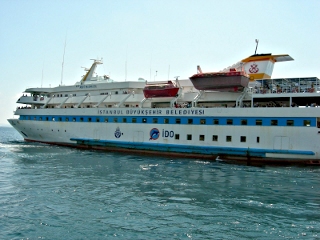
Israel Storms Gaza-bound Aid Convoy,19 Killed


Israel Attacks Gaza Aid Ships, Killing At Least 19

Ships Were Towed to Haifa to Avoid Media Coverage

by Jason Ditz, May 31, 2010
Israel had telegraphed its move for weeks. They had promised to stop the aid ships at all cost, they had promised to use force against the aid workers. Somehow, no amount of official bellicosity could prepare anyone for the carnage that unfolded.

At least 19 aid workers were killed and dozens of others wounded when Israeli commandos, backed up with helicopters, boarded the Mavi Marmara, one of the six aid ships, and opened fire on the passengers.

It was by no means the largest massacre of civilians in Israeli history, or even recent Israeli history, but unlike the others there was no way to couch the deliberate attack on a civilian aid vessel in international waters as Hamas’ fault, or an example of human shields, or even a narrow miss of the real target.

Indeed it has spawned what must be among the lamest attempts at hasbara (public explanation) in Israel’s sordid history, as one of the commandos in the region’s most heavily armed military explained opening fire on civilians by saying “they beat us up with metal sticks.”

Metal sticks notwithstanding, the aid flotilla was violating no international laws in trying to deliver medicine and food to civilian victims of an Israeli blockade. Israel on the other hand was most assuredly violating international law in attacking an unarmed aid ship on the open sea.

There has been talk in the past of Israel running afoul of international piracy laws for capturing previous aid ships. Say what you will of that, but in the previous engagements Israel didn’t massacre the crew, they just took them captive and held them on dubious charges.

Even Israel’s right-far-right coalition seems to have some sense of wrongdoing here, even if they would never admit so publicly. After making a big deal of setting up Ashdod as a “welcoming” facility to process the 700 soon-to-be-captives and loading it up with favorable media, Israel re-routed the ships to Haifa, to escape scrutiny of their handiwork.

The reaction to the massacre has already been enormous. At least five countries have already summoned Israeli ambassadors to demand explanations for the massacre, while thousands of protesters in Istanbul stormed into the Israeli consulate just after the story broke.

A top Fatah official predicted the massacre would enhance the ongoing boycott against Israel and would cause an increasing number of European states, many of whom had MPs on the aid ships, to turn against them. While it is too soon to gauge the level of international outrage it cannot but be noted that people have said the same thing about previous Israeli atrocities, only to find that international support runs far deeper than anyone had imagined.

http://news.antiwar.com/2010/05/31/israel-attacks-gaza-aid-ships-killing-at-least-19/

Thursday, May 27, 2010

International Red Cross Treats Humanity Without Discrimination

Red Cross says first aid courses for Taliban are part of its humanitarian mandate

FRANK JORDANS
AP News

May 26, 2010 13:17 EDT

The international Red Cross said Wednesday it would continue giving first aid training and kits to Taliban fighters in Afghanistan, despite drawing angry e-mails from around the world and criticism from an Afghan official after the practice was publicized.

The International Committee of the Red Cross trained "over 70 members of the armed opposition" in first aid last month, along with more than 100 Afghan police and civilians, including taxi drivers.

The courses started in 2006 and the neutral group will continue as long as they are needed, said Red Cross spokesman Christian Cardon.

"It's the core of the ICRC's mandate to make sure that people are cured whether they are from one side or the other side," he told The Associated Press.

Britain's Guardian newspaper on Tuesday quoted an unidentified official in Kandahar's local government as criticizing the first aid training, saying the Taliban did "not deserve to be treated like humans."

Cardon said the Red Cross also received angry e-mails from people around the world in response to the article. But he insisted that in Afghanistan most officials well understood and accepted the group's 151-year history of treating all war wounded regardless of their background or affiliation.

Cardon cited the Red Cross orthopedic hospital in Kabul where amputees are fitted with artificial limbs.

"We never ask the people who come about their background," he said. "This is the way we work everywhere in Afghanistan and all over the world."

As for training Taliban fighters and providing them with first aid kits, Cardon said journeys to Afghanistan's few functioning hospitals were often arduous or nearly impossible, meaning even basic first aid could help save lives when medical help isn't available.

He added that the three-day courses also were an opportunity to show participants the need to abide by the Geneva Conventions that govern the conduct of war.

The conventions also are the reason that U.S. military medical helicopters rescue insurgents as well as U.S. and NATO soldiers when they are called to battlefields in Iraq and Afghanistan to pick up the wounded and rush them to field hospitals.

Red Cross first aid courses also have been held in Gaza with members of Hamas and other Palestinian groups, said Cardon.

Andrea Bianchi, a professor of international law at Geneva's Graduate Institute, said the Red Cross wasn't obliged to provide training and medical kits to the Taliban but appeared to have chosen to do so for practical reasons.

"Afghanistan is a very difficult place to operate," he said. "The idea that the ICRC might offer first aid kits doesn't shock me honestly."

"They stick to this idea that they are impartial and neutral, which means they must provide aid in whatever form is needed to improve the condition of the injured," said Bianchi. "Neutrality means you cannot take sides even in a situation in which it is clear who the bad guys are and who's on the right side."

Cardon, the Red Cross spokesman in Geneva, said the criticism recalled the period after Sept. 11, 2001, when the group was inundated with angry messages because it visited prisoners held at the U.S. detention center in Guantanamo Bay, Cuba.

If Afghan officials were to complain to the Red Cross about the first aid training for Taliban fighters "we will go and meet them to clarify that it's the way we have always worked and always will work," he said.

"We are quite confident that it (the report) will not affect our operations."

http://wire.antiwar.com/2010/05/26/red-cross-defends-first-aid-courses-for-taliban-3/

Sunday, May 16, 2010

US Funds Israel’s Apartheid Roads Plan

Settlers benefit from Israeli-only routes

by Jonathan Cook, May 16, 2010

The construction of sections of a controversial segregated road network in the West Bank planned by Israel for Palestinians – leaving the main roads for exclusive use by settlers – is being financed by a US government aid agency, a map prepared by Palestinian researchers has revealed.

USAID, which funds development projects in Palestinian areas, is reported to have helped to build 114km of Israeli-proposed roads, despite a pledge from Washington six years ago that it would not assist in implementing what has been widely described as Israel’s "apartheid road" plan.

To date the agency has paid for the construction of nearly a quarter of the segregated road network put forward by Israel in 2004, said the Applied Research Institute of Jerusalem (ARIJ).

The roads are designed to provide alternative routes to connect Palestinian communities, often by upgrading circuitious dirt tracks or by building tunnels under existing routes.

Meanwhile, according to human rights groups, Israel has reserved an increasing number of main roads in the West Bank for Israelis so that Jewish settlers can drive more easily and quickly into Israel, making their illegal communities more attractive places to live.

The US agency’s involvement in building a segregated West Bank road infrastructure would run counter to Washington’s oft-stated goal, including as it launched "proximity talks" last week, to establish a viable Palestinian state with territorial contiguity.

"The displacement of Palestinians from the West Bank’s main roads improves the appeal of the settlements by better integrating them into Israel," said Suheil Khalilieh, the head of settlement monitoring at ARIJ. "Conversely, creating an inferior, alternative network of local roads makes travel between the main regions of the West Bank difficult and time-consuming for Palestinians."

Israel proposed the creation of two separate road systems in 2004, after many of the West Bank’s main roads had been sealed off to Palestinians following the outbreak of the second intifada.

Ariel Sharon, the then-prime minister, argued that segregated infrastructure would create "contiguity of transportation" for Palestinians and help to alleviate economic hardship resulting from hundreds of roadblocks and checkpoints that restrict Palestinian movement.

The international community was asked to finance 500km of roads for the Palestinians, later termed "fabric of life" roads, including upgrading agricultural tracks and constructing many underpasses and bridges, at a cost of $200 million.

The Palestinian Authority, however, objected, saying the plan would further entrench the illegal settlements in the West Bank and justify confiscating yet more Palestinian land for the new roads.

That position was backed by international donors, including the US, which declared it would not finance any road projects against the PA’s will.

Despite the US promise, however, a map of the West Bank recently published by ARIJ shows that 23 per cent of the "alternative" road network Israel proposed has been built with USAid money.

Many of these roads are located in so-called Areas B and C, more than 80 percent of the West Bank that was assigned to Israeli security control by the Oslo accords. Israel oversees all road projects in these areas.

Mr Khalilieh said the PA was being effectively bullied into conceding the road infrastructure wanted by Israel.

"What happens is that USAid presents a package deal of donations for infrastructure projects in the West Bank and the Palestinians are faced with a choice of take it or leave it. That way the PA is cornered into accepting roads it does not want."

He said some roads were also being approved because of a lack of oversight by the PA. An inter-ministerial committee to vet proposed roads to ensure they did not contribute to the Israeli plan had been inactive since 2006, he said, following the split between Fatah and Hamas in the Palestinian elections.

After PA officials were presented with ARIJ’s map, Salam Fayyad, the Palestinian prime minister, issued a statement last weekend denying that the PA had contributed to the Israeli-proposed road network.

However, in a sign that such reassurances were unlikely to dampen concerns, he reconvened the inter-ministerial committee to conduct field vists to check on road projects that had been carried out or were in progress.

Ghassan Khatib, a Palestinian government spokesman and a former planning minister, said the PA was taking the issue "very seriously" and was doing everything possible to resist the emergence of an "apartheid system" in the West Bank.

He added that, if roads were being built that served the settlers’ interests, "that is not supposed to happen."

According to USAid’s figures, it has financed 235km of roads in the West Bank in the past decade, and is preparing to add another 120km by the end of this year.

Critics add that in some cases the upgrading by USAid of minor roads, even those not included in the Israeli plan, has worked to the same end of keeping Palestinians off the West Bank’s main highways.

USAID officials were unavailable for comment.

Among roads for Palestinians funded by USAID are several projects south of Bethlehem that appear to be providing an "alternative" to Road 60, a busy highway that has traditionally linked Jerusalem with the Palestinian cities of Bethlehem and Hebron in the southern West Bank.

Israel has increasingly restricted Palestinian access to Road 60 because it also serves as a fast direct route for Jewish settlers in the Gush Etzion bloc driving to and from Jerusalem.

As a result, residents of several nearby Palestinian villages, including Batir, Wadi Fukin, al Walaja and Husan, have been forced off Road 60 and on to USAID-funded side roads and underpasses to connect them to Bethlehem and other neighbouring communities.

Sarit Michaeli, a spokeswoman for B’Tselem, an Israeli human rights group, said 170km of roads in the West Bank were either off-limits to Palestinians or highly restricted, creating what the organisation has called "forbidden roads."

B’Tselem noted that, after the 2004 scheme for complete separation was rejected by donors, Israel adapted the plan, using bridges, tunnels and interchanges to create partial separation, with Israelis "traveling on the fast upper levels, and Palestinians on the lower levels." It concluded: "The plan allows Palestinian vehicles to travel on only 20 per cent of the [West Bank] roads on which Israeli vehicles travel."

Ms. Michaeli added that the growing dependence of Palestinian traffic on underpasses meant that Israel was in a position to control or even sever connections between Palestinian areas with only one military jeep.

Ingrid Jaradat Gassner, the director of Badil, a Bethlehem-based organisation that has lobbied against road segregation in the southern West Bank, said there was considerable domestic and international pressure on the PA to agree to roads dictated by Israel, if only because they often eased the existing restrictions on Palestinian movement.

"Sadly, the PA is helping to build its own Bantustans," she said. "Palestinian towns and villages connected by back roads and tunnels while the settlers control the main highways is what the US appears to mean when it talks about a viable Palestinian state."

A version of this article originally appeared in The National (www.thenational.ae), published in Abu Dhabi.

http://original.antiwar.com/cook/2010/05/15/us-funds-israels-apartheid-roads-plan/

Friday, April 9, 2010

ARMM to receive fresh AusAID support in education

PIA News Release

ARMM to receive fresh AusAID support in education

Isabela, Basilan (8 April) -- The Government of Australia plans to provide a long-term support to the improvement of the quality and access to education in the Autonomous Region in Muslim in Mindanao (ARMM) through the introduction of another round of assistance that builds on the successes of the now concluded eight-year Basic Education Assistance for Mindanao (BEAM) project.

The announcement was made in a press statement from the ARMM's Bureau of Public Information.

BPI quoted Ramon Bobier, BEAM project director, to have said that the new program would be a 5 to 10 year support to basic education exclusively implemented in the ARMM provinces of Lanao del Sur, Maguindanao, Sulu, Basilan and Tawi-Tawi, and the City of Marawi.

As the project officially ended in November last year, efforts are now being undertaken to draw up the new project through a 12-month implementation support to BEAM-ARMM design with the involvement of several stakeholders. The new phase will include the implementation of a peace education framework specifically tailored to suit the needs of children in the region, the BPI said.

ARMM School and regional officials of the Department of Education (DepEd) have recently participated in a two-day workshop forum on peace education sponsored by the Australian Agency for International Development (AusAID) to help craft the said framework.

A handout given during the forum describes peace education as education that is geared toward a culture of peace, which the United Nations Educational, Scientific and Cultural Organization (UNESCO) defines as "a growing body of shared values, attitudes, behaviors and ways of life based on: nonviolence, respect for fundamental rights and freedoms; understanding, tolerance and solidarity; sharing and free flow of communication; and full participation and empowerment of women."

The ARMM Education Secretary however underscored that peace education framework should have Islamic teachings as its foundation, the BPI press statement said.

Education Sec Hamid Aminodin Barra, who provided an input on Islamic framework on peace and respect for human dignity in the forum, averred that the Islamic context must always be considered in any project that will be undertaken in the ARMM, even as he also allayed apprehensions that this could contribute to extremism as "Islam is a religion of moderation."

Education officials in the ARMM affirmed that the AusAID-BEAM project has helped improved the learning outcomes of school children in the field of English, Science and Math. The AusAID-BEAM project has also increased accesses to children living in remote and depressed communities - with its wide-ranging and innovative schemes. Education officials however admitted that school children in the ARMM still lag behind over other regions in terms of literacy.

The new AusAID support will focus on the particular education needs of ARMM with its unique culture and diverse populace taken into consideration. (BPI/PIA9-BST)


http://www.pia.gov.ph/?m=12&fi=p100408.htm&no=41&r=&y=&mo=

Friday, April 2, 2010

Moyo: international aid to Africa spurs corruption

By Grace Afsari Mamagani

Darmouth Staff


Billions of dollars in international financial aid do more harm than good on the African continent, economist and best-selling author Dambisa Moyo said in a lecture to students on Thursday. In the lecture, held in Filene Auditorium, Moyo argued that continued financial aid to African nations allows political leaders to ignore their responsibilities to the population in favor of appeals to potential donors.

The lecture was based on Moyo’s 2009 book “Dead Aid: Why Aid is Not Working and How There is a Better Way For Africa.”

Although world leaders hope to enable African countries to become equal partners on the global stage, the annual influx of $50 billion to African governments instead supports the continent’s dysfunctional infrastructure, Moyo said.

“In the past 50 years, we have seen African poverty rise and growth rates plummet,” she said. “Aid has not done what it was meant to do.”

Popular campaigns that portray Africa as a place of “war, disease, corruption and poverty” encourage government officials in the United States and Europe to continue to provide money to African despots who do not use the funds to improve infrastructure, according to Moyo, who is from Zambia.

“I come from a country where, in the past few years, we have spent a lot of money and time bringing to justice our former president, who stole hundreds of millions,” she said. “We know that aid money is being stolen, but what are we doing about it? Nothing.”

As African political leaders become increasingly dependent upon foreign aid, they attend more closely to their donors than they do to the needs of African citizens, Moyo said.

“[In Africa], the link between the government and the individual has been severed,” she said. “The government is failing at providing public goods, but the international community continues to support these governments.”

Foreign aid encourages unrest ­­— such as the civil wars that took place during the 1990s — as various factions within African countries vie for the government control that grants them access to a stream of money from donor countries and international organizations, Moyo said.

Aid to African countries also fuels “Dutch disease,” in which an abundance of foreign currency forces the local currency to become more expensive, Moyo said. As a result of the expense, African goods become less desirable abroad and employment rates fall.

“We are pushing a policy onto the African continent today that has no evidence anywhere of working,” Moyo said. “When we are giving money to people without any requirement for performance, we can only expect that there will be poor results.”

Alternatives to providing unconditional aid to Africa include establishing international trade, promoting direct investment in African industries through microfinance and encouraging African governments to engage in financial capital markets, Moyo said.

The reduction of tariffs and incorporation of African goods into the global market will both decrease reliance on foreign aid and help to meet the needs of the growing global middle class, she said.

“By 2030, there will be an additional two billion people in the middle class,” Moyo said. “China has only seven percent arable land, while Africa has 80 percent of the untilled arable land that is left on Earth.”

Increasing African governments’ transparency in the capital markets would allow African countries to improve their credit ratings and stimulate foreign investment, she said. By doing so, African countries — which choose bonds in the international capital market over low-interest loans from the World Bank — can improve infrastructure and avoid corruption, she said.

Policymakers in the countries like the United States ignore the argument against foreign aid because voters pressure officials to continue to support African infrastructure, according to Moyo.

“I definitely think that not enough people are talking about the point that she’s trying to make,” said Siyue Liu ’13, who attended the lecture. “This is the first time I’ve heard someone go into so much detail about why aid is hurting Africa, and I felt like she made some pretty valid points that are definitely worth learning more about.”

The lecture was hosted by the Dickey Center for International Understanding

http://thedartmouth.com/2010/04/02/news/Moyo

Thursday, March 18, 2010

Worst in Aid: the Grand Prize

By William Easterly and Laura Freschi | Published March 15, 2010

Hillary Clinton recently declared: “We are working to elevate development and integrate it more closely with defense and diplomacy in the field…The three Ds must be mutually reinforcing.”

Clinton says that the 3D approach will elevate development to the level of diplomacy and defense. Unfortunately, it could instead lower development further to an instrument employed to achieve military or political priorities. Clinton foresaw these objections: “There is a concern that integrating development means diluting it or politicizing it – giving up our long-term development goals to achieve short-term objectives.” She said reassuringly, “[t]hat is not what we mean, nor what we will do.”

But it’s too late. Sacrificing long term development aims for short term military and diplomatic objectives is what the US already does, and the 3Ds is making it worse. That’s why the Grand Prize for the Worst in Aid goes to…the 3D approach, nominated by an anonymous reader.
References to the “3D approach,”… have become so pervasive in foreign policy, development, and national security circles that they have taken on the status of self-evident, common wisdom.
- J. Brian Atwood, former USAID administrator, February 2010

The frequent contradiction between defense and development is the most obvious instance of 3D dissonance. A coalition of eight NGOs in Afghanistan lamented that “[d]evelopment projects implemented with military money or through military-dominated structres aim to achieve fast results but are often poorly executed, inappropriate, and do not have sufficient community involvement to make them sustainable.” Nonetheless, increasing amounts of aid get channeled through the military, “while efforts to address the underlying causes of poverty and repair the destruction wrought by three decades of conflict and disorder are being sidelined.”

An Oxfam case study on programs to reform the security sector in “frontline” states like Iraq illustrated another way in which narrow military goals (to train and equip soldiers and police) are not entirely compatible with development goals. The report found that an increasing reliance on military contractors rather than civilians “has strongly reinforced the focus on operational capacity over accountability to civilian authority and respect for human rights.”

In the battle of the Ds, enervated development loses to pumped-up defense, and not just in Afghanistan and Iraq. The trend goes two ways: USAID is compelled to spend more and more of its budget on states that are strategically and militarily important (The 2011 foreign aid budget allocates 20 percent of State and USAID money for “securing frontline states.”) A development priority like India (with a huge chunk of the world’s poor) loses out. At the same time, a growing proportion of what the US calls Official Development Assistance flows through the Pentagon rather than USAID.

All US aid by recipient, 2004-2008, OECD data

Frequent readers of the blog will already be familiar with our final example. On Christmas Eve in Madagascar, President Obama bowed to the exigencies of diplomacy when he punished the nondemocratic government of Madagascar by taking away trade access to U.S. markets. But this same action was disastrous for development. Already, tens of thousands of jobs created textile exports to the United States under the African Growth and Opportunity Act (AGOA) have been lost. Factories are closing, increased competition among street workers is pushing down wages, and the effects are spilling over into neighboring countries that made inputs to Madagascar’s factories. Any claim that the Madagascar AGOA delisting was part of a high-return Diplomatic initiative to promote Democracy became a wee bit more tenuous when we saw Angola, Cameroon, and Ethiopia named on Christmas Eve as still eligible for AGOA.

[We could go on -- This week brought another collision of development and defense/diplomatic goals in Somalia.]

The lie that underlies the 3D framework is that development, diplomacy, and defense are complementary (or totally “mutually reinforcing”); that there are no difficult choices to be made. Alas, politicians are fond of denying the existence of tradeoffs (we are not trying to pick on Hillary in particular; many politicians are guilty of this).

The only 3D strategy that makes sense for development is one that acknowledges the frequent conflicts between these three very different goals as natural outcomes of their different agendas. Then we can hold our politicians accountable when they sacrifice Development big-time to achieve small-time (or sometimes illusory) Diplomatic or Defense goals.

http://aidwatchers.com/2010/03/worst-in-aid-the-grand-prize/

Monday, March 15, 2010

Poverty not target of foreign aid

Editorial March 13

Elimination of global poverty may be heralded, on paper, as the noble aim of foreign aid programs. But it is generally not the intended purpose.

A close look at the Canadian government website on foreign aid clearly exposes the reality of aid programs. Leaving aside a few notable exceptions of humanitarian aid to help people facing major natural disasters, foreign aid is generally provided to ensure national security, to give a boost to mutual trade or economics, or for political, military or other strategic issues.

It is surprising that the subject is visited and revisited virtually every month in the media, but commentators are hardly ever honest enough to clarify the true intent or purpose of the program.

Sris Bhattacharya, Scarborough

http://www.thestar.com/opinion/article/779744--poverty-not-target-of-foreign-aid

Wednesday, March 10, 2010

Basilan acquires P200-M loan


BASILAN Provincial Government has secured from the Philippine National Bank (PNB) a P200 million loan that will be used to finance the implementation of socio-economic projects in the province.

Lawyer Quirino Esguerra Jr., Basilan provincial legal officer, said the funds will be used for the construction of farm-to-market roads, heavy equipment and other vehicles, as well as the completion of the new Provincial Capitol.

Of the total amount borrowed, P40 million will be used for the completion of the new capitol building, while the P10 million for the construction of farm-to-market roads, and P60 million for heavy equipment and other vehicles.

Esguerra said the new provincial Capitol is located in the village of Sumagdang, Isabela City, the capital of Basilan province.

He said the old Provincial Capitol building, which is located in downtown Isabela City, will be converted into a one-stop-shop to house other agencies of government.

The purpose of converting the old Capitol building into a one-stop-shop is to make the government agencies accessible to the public, he added.

Esguerra said Basilan Governor Jum Akbar has vowed to be transparent in undertaking the projects intended to uplift the socio-economic activities of the province.

Basilan comprises 11 towns -- Al-Barka, Akbar, Hadji Mutamad, Hadji Mohammad Ajul, Lantawan, Maluso, Tabuan Lasa, Tipo-Tipo, Tuburan, Sumisip, and Ungkaya Pukan and two cities--Lamitan and Isabela. (Bong Garcia)

http://www.sunstar.com.ph/zamboanga/basilan-acquires-p200-m-loan

Tuesday, March 9, 2010

Haiti wants more information on foreign aid

(Reuters) - Haiti's prime minister demanded more information on Wednesday about foreign aid pouring into the earthquake-stricken country and urged that his government not be sidelined in reconstruction efforts.

World | Natural Disasters

The issue is sensitive for international donors who considered corruption a major problem before a January 12 quake that killed as many as 300,000 people, according to government estimates.

The quake also killed many civil servants and left government structures in ruins.

Prime Minister Jean-Max Bellerive decried a lack of coordination by aid donors with his government but stopped short of saying all bilateral aid should be funneled through the government.

"We don't know who has given money to NGO's (nongovernmental organizations) and how much money have they given. ... At the moment, we can't do any coordination or have any coherent policies for giving to the population," Bellerive told a news conference.

His remarks came as European Union foreign policy chief Catherine Ashton visited the country to discuss reconstruction aid before a donor conference in New York at the end of the month.

Ashton, criticized by some European politicians for waiting until now to make her first visit to the country since the quake, toured an Italian rubble removal project and visited an Italian hospital ship and a Spanish ship off the city of Petit Goave.

ENSURING AID REACHES PEOPLE

The EU and its members have together pledged about 609 million euros ($834 million) to Haiti since the quake, including 120 million euros ($164 million) from the EU Commission in immediate humanitarian aid and a further 300 million ($411 million) in the medium term, a Commission spokesman said.

That money also includes 100 million euros ($137 million) in direct support to the government.

"There is a capacity problem that has been exacerbated by this earthquake. When I met the president and the prime minister, it was to talk about the long-term plan and to see that we are able to support them economically," Ashton said.

"One of the issues that all governments have to tackle is making sure there is a system in place to ensure that the aid reaches the people it's intended for. We will work with them (the government) to try and make sure that that happens," Ashton said.

In one measure of the amounts of aid flowing into the country, about $70 million has been donated to the Catholic Relief Services charity since the quake and a further $35 million was donated by U.S. dioceses in a single Sunday collection, senior U.S. Catholic officials said.

Those sums are a fraction of the total amount given by the Catholic Church to Haiti since the quake, they said.

(Editing by Jane Sutton and Peter Cooney)
http://www.reuters.com/article/idUSTRE6225UO20100303

Monday, February 15, 2010

Cuba's aid to Haiti ignored by the media

By Tom Fawthrop in Havana

Among the many donor nations helping Haiti, Cuba and its medical teams have played a major role in treating earthquake victims.

Public health experts say the Cubans were the first to set up medical facilities among the debris and to revamp hospitals immediately after the earthquake struck.

However, their pivotal work in the health sector has received scant media coverage.

"It is striking that there has been virtually no mention in the media of the fact that Cuba had several hundred health personnel on the ground before any other country," said David Sanders, a professor of public health from Western Cape University in South Africa.

The Cuban team coordinator in Haiti, Dr Carlos Alberto Garcia, says the Cuban doctors, nurses and other health personnel have been working non-stop, day and night, with operating rooms open 18 hours a day.

During a visit to La Paz hospital in the Haitian capital Port-au-Prince, Dr Mirta Roses, the director of the Pan American Health Organisation (PAHO) which is in charge of medical coordination between the Cuban doctors, the International Committee of the Red Cross (ICRC) and a host of health sector NGOs, described the aid provided by Cuban doctors as "excellent and marvellous".

La Paz is one of five hospitals in Haiti that is largely staffed by health professionals from Havana.

History of cooperation

Haiti and Cuba signed a medical cooperation agreement in 1998.

Before the earthquake struck, 344 Cuban health professionals were already present in Haiti, providing primary care and obstetrical services as well as operating to restore the sight of Haitians blinded by eye diseases.

More doctors were flown in shortly after the earthquake, as part of the rapid response Henry Reeve Medical Brigade of disaster specialists. The brigade has extensive experience in dealing with the aftermath of earthquakes, having responded to such disasters in China, Indonesia and Pakistan.

"In the case of Cuban doctors, they are rapid responders to disasters, because disaster management is an integral part of their training," explains Maria a Hamlin Zúniga, a public health specialist from Nicaragua.

"They are fully aware of the need to reduce risks by having people prepared to act in any disaster situation."

Cuban doctors have been organising medical facilities in three revamped and five field hospitals, five diagnostic centres, with a total of 22 different care posts aided by financial support from Venezuela. They are also operating nine rehabilitation centres staffed by nearly 70 Cuban physical therapists and rehab specialists, in addition to the Haitian medical personnel.

The Cuban team has been assisted by 100 specialists from Venezuela, Chile, Spain, Mexico, Colombia and Canada and 17 nuns.

Havana has also sent 400,000 tetanus vaccines for the wounded.

Eduardo Nuñez Valdes, a Cuban epidemiologist who is currently in Port-au-Prince, has stressed that the current unsanitary conditions could lead to an epidemic of parasitic and infectious diseases if not acted upon quickly.

Media silence

However, in reporting on the international aid effort, Western media have generally not ranked Cuba high on the list of donor nations.

One major international news agency's list of donor nations credited Cuba with sending over 30 doctors to Haiti, whereas the real figure stands at more than 350, including 280 young Haitian doctors who graduated from Cuba. The final figure accounts for a combined total of 930 health professionals in all Cuban medical teams making it the largest medical contingent on the ground.

Another batch if 200 Cuban-trained doctors from 24 countries in Africa and Latin American, and a dozen American doctors who graduated from Havana are currently en route to Haiti and will provide reinforcement to existing Cuban medical teams.

By comparison the internationally-renowned Médecins Sans Frontières (MSF or Doctors without Borders) has approximately 269 health professionals working in Haiti. MSF is much better funded and has far more extensive medical supplies than the Cuban team.

Left out

But while representatives from MSF and the ICRC are frequently in front of television cameras discussing health priorities and medical needs, the Cuban medical teams are missing in the media coverage.

Richard Gott, the Guardian newspaper's former foreign editor and a Latin America specialist, explains: "Western media are programmed to be indifferent to aid that comes from unexpected places. In the Haitian case, the media have ignored not just the Cuban contribution, but also the efforts made by other Latin American countries."

Brazil is providing $70mn in funding for 10 urgent care units, 50 mobile units for emergency care, a laboratory and a hospital, among other health services.

Venezuela has cancelled all Haiti debt and has promised to supply oil free of charge until the country has recovered from the disaster.

Western NGOs employ media officers to ensure that the world knows what they are doing.

According to Gott, the Western media has grown accustomed to dealing with such NGOs, enabling a relationship of mutual assistance to develop.

Cuban medical teams, however, are outside this predominantly Western humanitarian-media loop and are therefore only likely to receive attention from Latin American media and Spanish language broadcasters and print media.

There have, however, been notable exceptions to this reporting syndrome. On January 19, a CNN reporter broke the silence on the Cuban role in Haiti with a report on Cuban doctors at La Paz hospital.

Cuba/US cooperation

When the US requested that their military plans be allowed to fly through Cuban airspace for the purpose of evacuating Haitians to hospitals in Florida, Cuba immediately agreed despite almost 50 years of animosity between the two countries.

Cuban doctors received global praise for their humanitarian aid in Indonesia [Tom Fawthrop]
Josefina Vidal, the director of the Cuban foreign ministry's North America department, issued a statement declaring that: "Cuba is ready to cooperate with all the nations on the ground, including the US, to help the Haitian people and save more lives."

This deal cut the flight time of medical evacuation flights from the US naval base at Guantanamo Bay on Cuba's southern tip to Miami by 90 minutes.

According to Darby Holladay, the US state department's spokesperson, the US has also communicated its readiness to make medical relief supplies available to Cuban doctors in Haiti.

"Potential US-Cuban cooperation could go a long way toward meeting Haiti's needs," says Dr Julie Feinsilver, the author of Healing the Masses - a book about Cuban health diplomacy, who argues that maximum cooperation is urgently needed.

Rich in human resources

Although Cuba is a poor developing country, their wealth of human resources - doctors, engineers and disaster management experts - has enabled this small Caribbean nation to play a global role in health care and humanitarian aid alongside the far richer nations of the west.

Cuban medical teams played a key role in the wake of the Indian Ocean Tsunami and provided the largest contingent of doctors after the 2005 Pakistan earthquake. They also stayed the longest among international medical teams treating the victims of the 2006 Indonesian earthquake.

In the Pakistan relief operation the US and Europe dispatched medical teams. Each had a base camp with most doctors deployed for a month. The Cubans, however, deployed seven major base camps, operated 32 field hospitals and stayed for six months.

Bruno Rodriguez, who is now Cuba's foreign minister, headed the mission - living in the mountains of Pakistan for more than six months.

Just after the Indonesian earthquake a year later, I met with Indonesia's then regional health co-coordinator, Dr Ronny Rockito.

Cuba had sent 135 health workers and two field hospitals. Rockito said that while the medical teams from other countries departed after just one month, he asked the Cuban medical team to extend their stay.

"I appreciate the Cuban medical team. Their style is very friendly. Their medical standard is very high," he told me.

"The Cuban [field] hospitals are fully complete and it's free, with no financial support from our government."

Rockito says he never expected to see Cuban doctors coming to his country's rescue.

"We felt very surprised about doctors coming from a poor country, a country so far away that we know little about.

"We can learn from the Cuban health system. They are very fast to handle injuries and fractures. They x-ray, then they operate straight away."

A 'new dawn'?

The Montreal summit, the first gathering of 20 donor nations, agreed to hold a major conference on Haiti's future at the United Nations in March.

Some analysts see Haiti's rehabilitation as a potential opportunity for the US and Cuba to bypass their ideological differences and combine their resources - the US has the logistics while Cuba has the human resources - to help Haiti.

Feinsilver is convinced that "Cuba should be given a seat at the table with all other nations and multilateral organisations and agencies in any and all meetings to discuss, plan and coordinate aid efforts for Haiti's reconstruction".

"This would be in recognition of Cuba's long-standing policy and practise of medical diplomacy, as well as its general development aid to Haiti," she says.

But, will Haiti offer the US administration, which has Cuba on its list of nations that allegedly "support terrorism", a "new dawn" in its relations with Cuba?

In late January, Hillary Clinton, the US secretary of state, thanked Cuba for its efforts in Haiti and welcomed further assistance and co-operation.

In Haiti's grand reconstruction plan, Feinsilver argues, "there can be no imposition of systems from any country, agency or institution. The Haitian people themselves, through what remains of their government and NGOs, must provide the policy direction, and Cuba has been and should continue to be a key player in the health sector in Haiti".

http://english.aljazeera.net/focus/2010/01/201013195514870782.html

Friday, January 22, 2010

Aid industry' blamed for chaos

The journal said many aid organisations were
seeking publicity for themselves
[Reuters]

A leading medical journal has accused major aid organisations of corporate posturing and self-interest that had contributed to bedlam in the effort to help Haiti.

"International organisations, national governments and non-governmental organisations are rightly mobilising, but also jostling for position, each claiming that they are doing the best for earthquake survivors," The Lancet said in an editorial on Friday.

"Some agencies even claim that they are 'spearheading' the relief effort. In fact, as we only too clearly see, the situation in Haiti is chaotic, devastating, and anything but co-ordinated."

The Lancet did not name names and gave credit to "exceptional work in difficult circumstances" by aid workers.

But, the British journal said, "the aid sector [is] undoubtedly an industry in its own right" and, unpalatable as it might seem, scrutiny of motives and performance was justified.

'Highly competitive'

The editorial comes amid accusations by some countries and aid organisations that their relief planes were turned away - some repeatedly - from the sole Haiti airport receiving supplies.

special report
Special Report: Haiti earthquake
Critics said the US military, in charge of operations at the Port-au-Prince airport since the quake, appeared to give priority to rescue equipment and military troops rather than humanitarian relief to help survivors.

But the US said it had prioritised flights according to the Haitian government's stated priorities.

"Large aid agencies and humanitarian organisations are often highly competitive with each other," The Lancet said.

"Polluted by the internal power politics and unsavoury characteristics seen in many big corporations, large aid agencies can be obsessed with raising money through their own appeal efforts.

"Media coverage as an end in itself is too often an aim of their activities. Marketing and branding have too high a profile.

"Perhaps worse of all, relief efforts in the field are sometimes competitive with little collaboration between agencies, including smaller, grass-roots charities that may have better networks in affected countries and so are well placed to immediately implement disaster relief."

http://english.aljazeera.net/news/americas/2010/01/20101224424741998.html